Cyber news, tools & one smart career path.
5 min read

Quick Reality Check
Your voicemail greeting could be a scam tool
What happened:
Scammers can record voice greetings from your voicemail. Just 3-7 seconds of speech is enough. They take the generic “leave your name and number” clip and clone it to impersonate you, spoof calls, or build deepfake models. Security experts warn that personalized greetings make it easier
Why it matters:
When you answer unknown numbers, you:
-
Confirm your number is active, making you a higher-value target for spam lists, SIM swap attempts, and phishing.
-
Give away your voiceprint, which can be cloned for scams like “Hi Mom, I’m in trouble” calls or fake bank verifications.
-
Expose behavioral clues, like how you answer, your background noise, or if you sound young, nervous, or professional, all data points used in social engineering.
Keeping your voicemail generic and not answering unknown calls limits what attackers can collect. If it’s legit, they’ll text or leave a message, but your voice and phone identity stay protected.
60-Second Protection Fix
Here is what to do right now to protect yourself
What you can do:
- Never answer calls from unknown numbers. Let them go to voicemail instead.
- Change your voicemail greeting to a generic message. Avoid using your name or personal details.
- Use your carrier’s default automated greeting when possible.
- Add a PIN or passcode to your voicemail account so no one can change your greeting remotely.
- Hire a trusted data deletion service like Incogni to remove your phone number and personal information from data broker sites.
Must-Have Tool:
Scammers get your phone number from data brokers and people search sites. Incogni deletes your personal data from those sites automatically and keeps sending new removal requests on your behalf. You also get monthly progress updates.
Your number can appear in many places online, but removing it from these major data sources makes it harder for scammers to find and use it.
If you want to try it out, click here and use code CSG60 for 60% off.
Check Out Security Operations Center (SOC) (aka “The Guardians of the Network”)
These teams monitor systems 24/7 to detect and stop cyberattacks in real time. When scams turn into active threats like voice phishing that leads to credential theft or network intrusion, the SOC steps in. They analyze alerts, isolate affected systems, and coordinate with incident response teams to contain damage. If you like fast-paced problem solving, teamwork, and protecting people from evolving threats, this could be your path.
Learn more about SOC in my Free Intro Course: Cyber Paths 101
What You Missed This Week
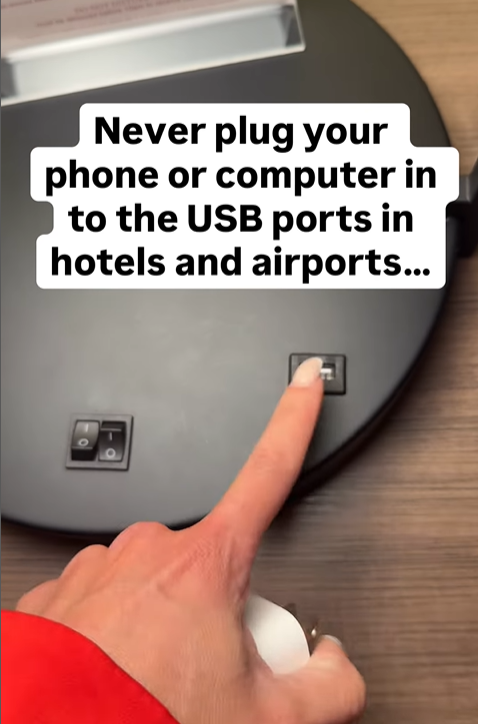
Never plug your phone or computer into USB ports in hotels or airports . Click on the image or watch here to learn why
What We're Hearing From You!
"Does the same go for buses and trains? ( plugging your phone or computer into usb plugs in hotels or airports) For example in cities that offer charging ports on public transport? "- @annieandyouare
Great question! Yes,any public USB port carries some risk. Now, to be clear, it’s not super common for these to be compromised. But as a cybersecurity and data protection expert, I always take precautions. The safest option is to use your own wall charger or a portable power bank. If that’s not possible, and you have to use a public USB port, it’s usually fine, just know it’s not 100% risk-free.
Let’s keep building together!
Stay protected,
Cybersecurity Girl
Know someone who’d enjoy this? Pass it along and have them sign-up here! And if you have thoughts or feedback, just hit reply, I’d love to hear from you.


Responses