Cyber news, tools & one smart career path.
5 min read
Quick Reality Check
Scammers are increasingly targeting older adults with fraud schemes designed to steal money, personal information, or both. These scams often rely on urgency, impersonation, and emotional manipulation to catch people off guard.
What happened:
According to the FBI, older adults continue to be targeted through a wide range of scams that are crafted to look believable and feel urgent. Criminals may pose as government officials, technical support, financial institutions, or even someone in personal distress, all to create enough fear or trust to get the victim to act quickly. These schemes are built to overwhelm judgment in the moment, which is exactly what makes them so effective.
In a 2025 FBI report, complaints from victims over 60 exceeded 201,000, and reported losses were more than $7.7 billion, with complaints up 37% and losses up 59% compared to 2024.
Why it matters:
Scams targeting older adults are dangerous because cybercriminals know exactly how to exploit trust, emotion, and hesitation. These scams often work because they prey on kindness first, then use urgency to push people past the point of caution. By the time someone realizes they’ve been manipulated, the money is usually gone, and the damage can spill far beyond a single transaction.
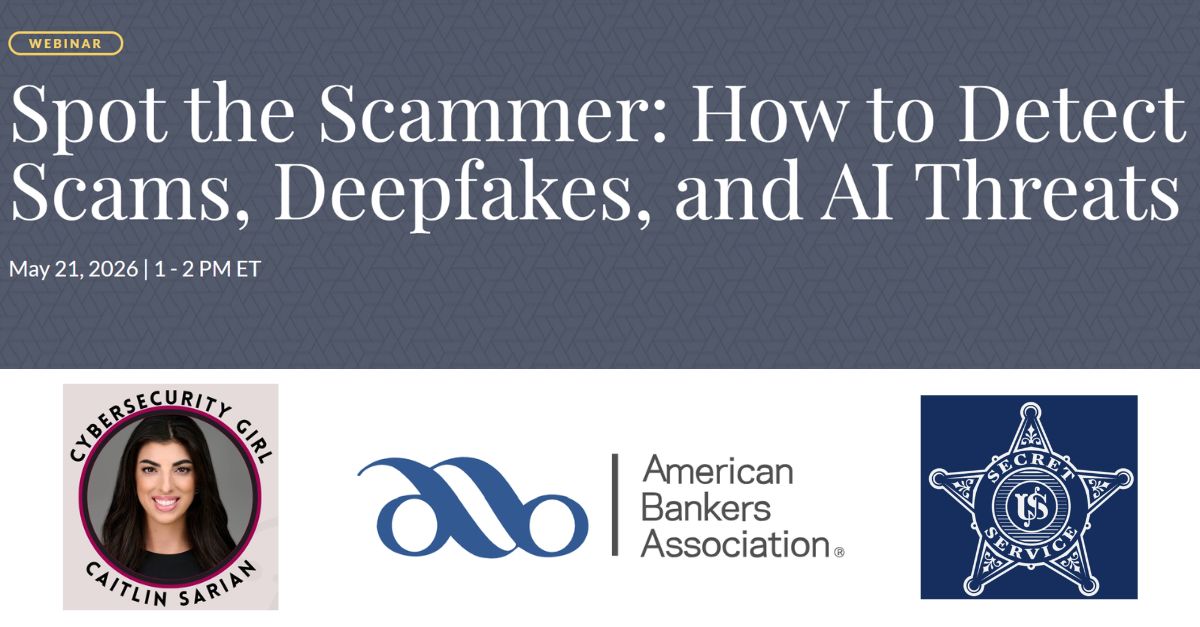
That’s exactly why understanding how these scams work matters so much. On May 21, I’ll be joining a live panel with a U.S. Secret Service special agent and the ABA Foundation to break down how scammers operate, how deepfakes and AI are changing the threat landscape, and what practical steps people can take to stay protected. Register here
60-Second Protection Fix
Here is what you can do to protect yourself:
-
Create strong, unique passwords. Use a mix of uppercase, lowercase, numbers, and symbols. Don't reuse the same password across accounts, especially banking.
-
Turn on two-factor authentication (2FA). This adds a second layer of security beyond just a password. Even if someone gets your password, they can't access your account without that second verification
-
Don't answer calls from unknown numbers. Scammers call pretending to be your grandchild, the IRS, or your bank. If it's important, they'll leave a voicemail.
-
Never click links or download attachments from unexpected emails. This is how phishing scams spread. Hover over links to see where they actually go. If something feels urgent or off, call the company directly to verify.
-
Keep devices updated. Turn on automatic software updates. These patches fix security holes that scammers exploit.
-
Freeze your credit. This is one of the strongest protections against identity theft. It prevents criminals from opening new accounts in your name.
-
Be mindful before sharing any information. Ask yourself: Do I trust this company? Do I actually need this? Could I delete it later? If you feel rushed or pressured to act immediately, that's usually a red flag.
The biggest one: talk to trusted family members about what you're doing online. Don't feel embarrassed if something seems off; that's exactly when you should ask for a second opinion.
Spot the Scammer: How to Detect Scams, Deepfakes, and AI Threats LIVE
With scams everywhere, we want to help you both spot the scams and stay protected. On May 21, join me, a U.S. Secret Service special agent, and the ABA Foundation for an engaging panel discussion on the latest scams, deepfakes, and AI-driven threats. Together, we’ll unpack how these schemes work and share practical, easy-to-use strategies to safeguard yourself and your loved ones online.
Register here
What You Missed This Week
Instagram’s new “Instants” feature is here!
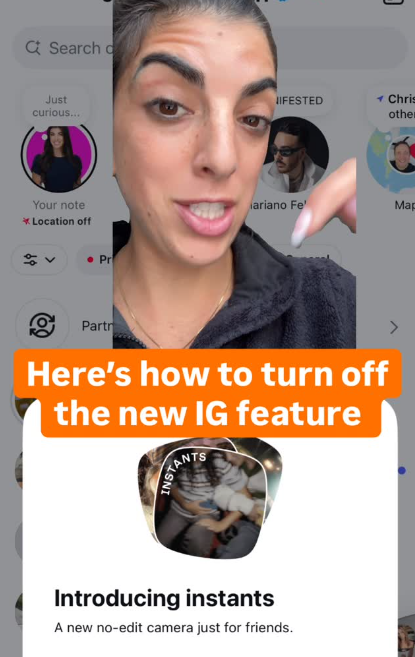
But it comes with a privacy catch. (And it’s annoying in my opinion)🚨
Bumble is killing the swipe and replacing it with an AI that interviews you and builds a full profile on your values, relationship goals, and dating intentions. 🚨
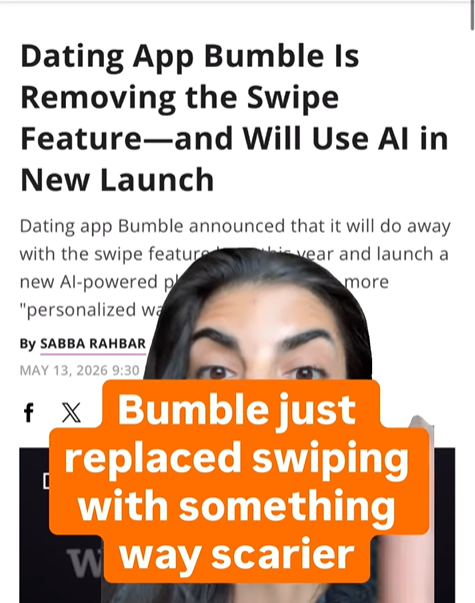
Here is why that is a privacy red flag!
Go restart your computer right now!

Microsoft had a security update rollout on May 12, but due to an issue, many computers have not been able to update. Microsoft fixes the issue, but that still means that your computer needs to be updated.
Let’s keep building together!
Stay protected,
Cybersecurity Girl
Know someone who’d enjoy this? Pass it along and have them sign-up here! And if you have thoughts or feedback, just hit reply, I’d love to hear from you.
Responses