Cyber news, tools & one smart career path.
5 min read

Quick Reality Check
A massive dataset tied to AT&T, containing roughly 176 million records, is back in circulation. While AT&T has dealt with leaks before, this "resurfaced" data is much more dangerous because it’s been cleaned, merged, and enriched.
What happened:
Think of this as an "Identity Theft Starter Kit." Instead of messy, duplicate files, hackers are using automated tools to "fill in the blanks." If one old leak had your name and phone number, but another had your Social Security Number and birth date, criminals "enrich" the file by linking them all together.
This means hackers essentially have a 360-degree view of your life in one spreadsheet. They aren’t guessing anymore; they have your verified phone number, your current address, and your sensitive identifiers all in one place.
Why it matters:
When data is this organized, it’s no longer just about annoying spam emails. It powers high-stakes fraud like SIM-swapping and account takeovers. They can call your bank or carrier pretending to be you, armed with all the "security" answers the call centers expect. It makes their social engineering attempts nearly impossible to spot for the average person.
Read more here
60-Second Protection Fix
Data leaks happen way too often. The good news? You can act fast to lock things down. Here is what I recommend you do:
-
Check if your email or phone number was in a breach. Use haveibeenpwned.com to see which companies leaked your data.
-
Change passwords immediately: Update them on the affected site, and anywhere you reuse them
-
Turn on multi-factor authentication (MFA) everywhere
-
Place a credit freeze or fraud alert with TransUnion, Experian, and Equifax to block new fraudulent accounts
Want more tips? I put together a quick, practical guide to help you spot the small mistakes that put your digital life at risk and how to fix them fast. Inside, you’ll find simple, effective tips that actually make a difference, including how to freeze your credit to protect yourself from identity theft. Download my Everyday Tips To Keep You Safe Online guide.
What You Missed This Week
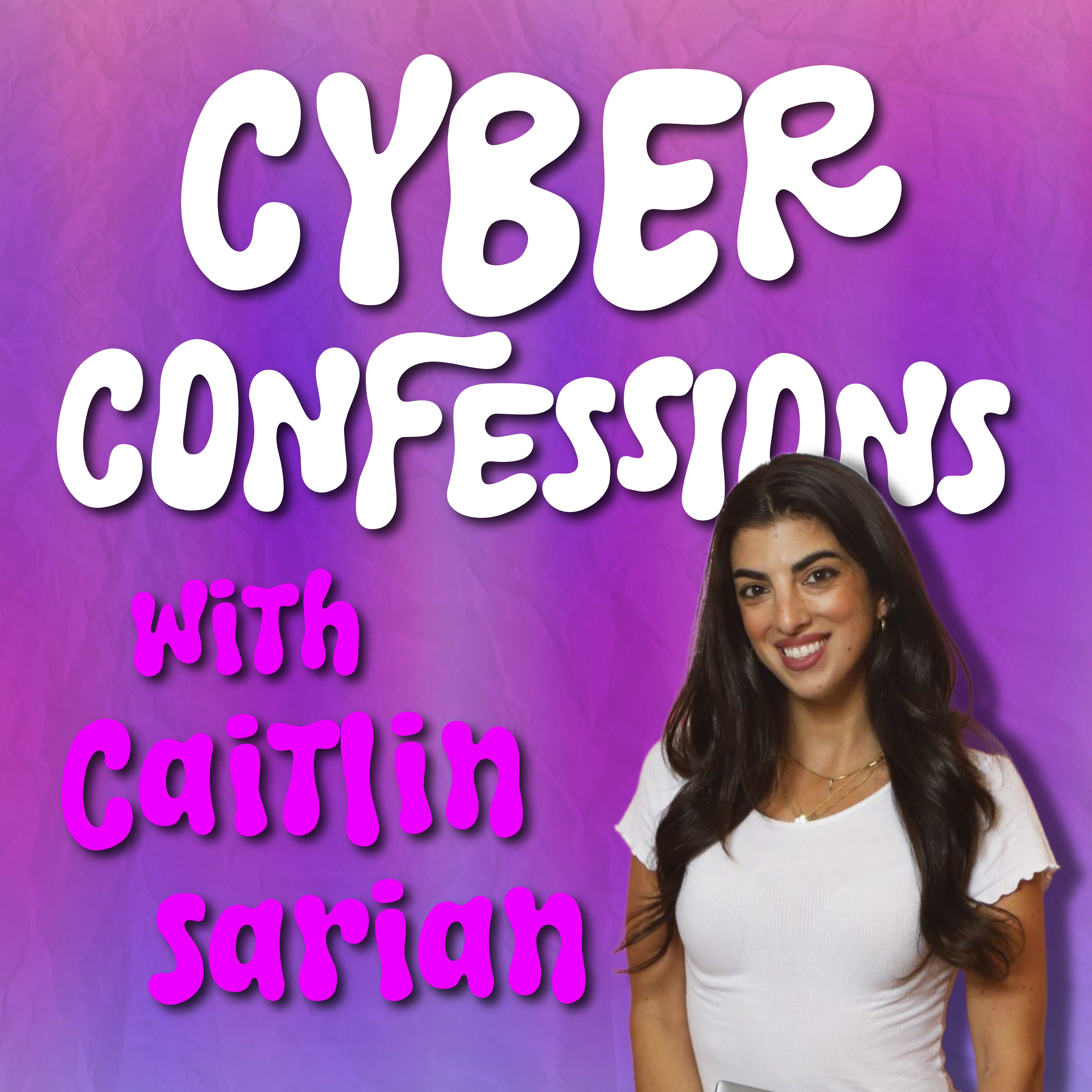
Think your private life is safe? Think again. In a new episode of Cyber Confessions, Adaptive Security CEO Brian Long reveals how AI uses a single LinkedIn URL to uncover your family’s deepest secrets, even things you’ve never officially posted. Listen or watch it here
Must-Have Tool:
After a massive breach like this one, your info can show up on people-search sites and data brokers for a long time. Incogni deletes your personal data from those sites automatically and keeps sending new requests on your behalf. You also get monthly progress updates.
Check Out Security Architecture (aka “The Blueprint Designers”)
When major leaks happen, we often look at the aftermath, but Security Architects are the ones working to prevent them from the start. They are the pros who design the digital blueprint, making sure security controls are built into IT systems from day one.
Instead of just reacting to a breach, these "Blueprint Designers" embed controls into systems and vendors to align with business goals. They segment sensitive data, require encryption and logging, and plan for recovery so that even if something breaks, the damage stays
Learn more about Security Architecture in my Free Intro Course: Cyber Paths 101
Let’s keep building together!
Stay protected,
Cybersecurity Girl
Know someone who’d enjoy this? Pass it along and have them sign-up here! And if you have thoughts or feedback, just hit reply, I’d love to hear from you.
Responses