Cyber news, tools & one smart career path.
5 min read

Quick Reality Check
24 billion stolen login records just surfaced online. Researchers say the database included usernames, email addresses, plaintext passwords, and associated login URLs.
What happened:
Cybernews researchers found a massive, 8.3-terabyte database sitting exposed on the internet. The records came from 36 distinct sources, including hacking-related Telegram channels, older breach compilations, and "infostealer" malware logs pulled from infected home computers.
The important part is that this was not an old, abandoned archive. Evidence shows the database owner was actively updating it with fresh data as recently as February 2026. While the database has since been taken offline, the passwords themselves are already out there
Why it matters:
The real damage isn't just that your password got exposed somewhere. It's that someone now has the ability to connect your accounts across multiple services. If your data showed up in one breach years ago and another one later, it stops being random noise. It becomes a profile. One person. One file. One target.
Here’s what happens next: credential stuffing gets much easier because attackers can run those username-and-password combos across email, banking, social media, and work accounts, and if you reused passwords anywhere, they are already trying them.
If the records include associated login URLs, they also get context, which makes phishing more convincing because the message can match a real service you use. And once they have a valid email and password pattern, they can widen the attack by trying related accounts, impersonating you, or targeting people who trust you.
Read more here
60-Second Protection Fix
Here is what you can do to protect yourself:
-
Go to haveibeenpwned.com and type in your email address. The site will show you every breach tied to you
-
Change any password you've reused. Every one. Use a password manager to generate unique passwords for every account so this never happens again.
-
Turn on multi-factor authentication on every account that matters: email, banking, work, social media. Even if they have your password, they can't get in without that second factor
-
Watch for fake emails or texts claiming to help you check whether you were affected. Go directly to the site yourself and do not click links sent by someone else.
The fact that the database is being taken offline doesn't matter. The credentials are already out there, being traded, tested, and weaponized. The time to act is now.
What You Missed This Week
Did you get this email?! If you use Google, you need to watch this
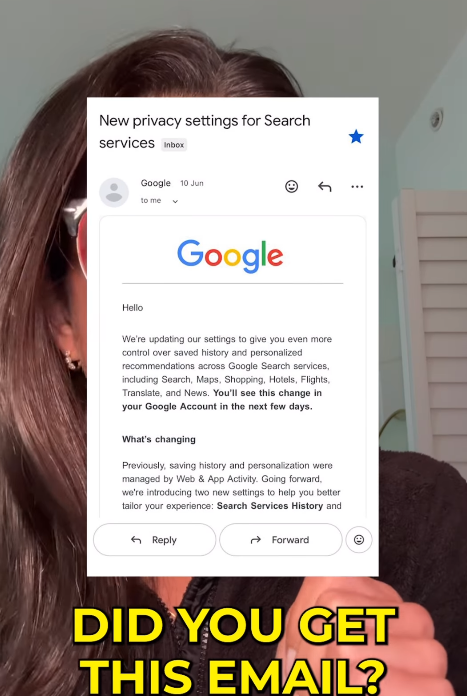
Here is why you shouldn't ignore it.
Never use your physical credit card over your digital cards
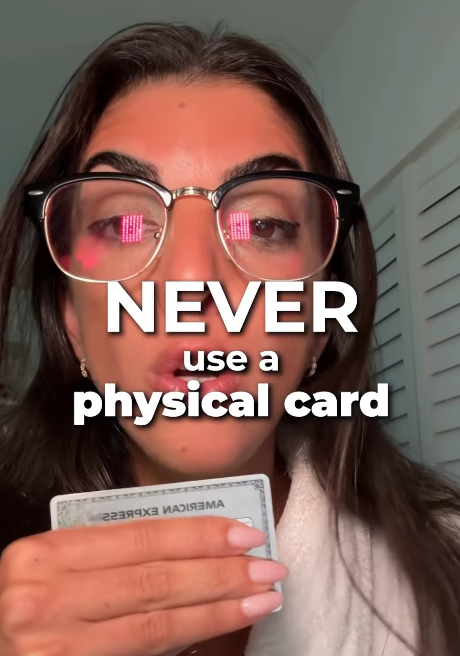
As a cybersecurity expert, here is why I always use my digital wallet (Apple Pay)
YouTube now lets you completely turn off Shorts for your child’s account!

And psychology research shows exactly why you should. In this video, I walk you through how to do it.
Let’s keep building together!
Stay protected,
Cybersecurity Girl
Know someone who’d enjoy this? Pass it along and have them sign-up here! And if you have thoughts or feedback, just hit reply, I’d love to hear from you.
Responses