Cyber news, tools & one smart career path.
5 min read

Quick Reality Check
Scammers are impersonating the FBI and its Internet Crime Complaint Center (IC3) on social media and messaging apps to target people who have already fallen victim to cybercrime.
What happened:
The FBI’s IC3 has issued warnings that fraudsters are creating fake social media accounts and direct messaging victims of scams. These criminals monitor public posts from people who state they have been scammed or plan to report an incident to law enforcement, then swoop in posing as FBI follow-up contacts or "recovery" teams.
The schemes often feature fake IC3 branding, logos, and reviews to look legitimate. In some cases, scammers go a step further by using AI-generated deepfake audio and video of senior FBI officials or public figures, urging victims to submit their cases through specific links to "speed up recovery".
Why it matters:
This is a predator move, and it happens because victims are already in a vulnerable, panicked state, which makes them easier to manipulate a second time.
After a scam, victims often post or seek help publicly. Fraudsters monitor these signals, then impersonate the FBI to offer fake recovery services, requesting fees or sensitive data that lead to further losses
The real IC3 does not work with non-law enforcement entities to recover funds, has no official social media presence for investigations, and will never contact victims directly to ask for money or information.
Read more here
60-Second Protection Fix
Here is what you can do to protect yourself:
-
Stop and verify. The FBI will never contact you via social media DM or text. Period. If you're under investigation or they have information about your case, they reach out through official channels: phone calls to verified numbers, letters to your address, or in-person visits.
-
Never pay for recovery. Legitimate law enforcement doesn't charge victims to recover stolen funds. If someone is asking for money to "unlock" your case or speed up recovery, it's a scam.
-
Never share your credentials: Do not give remote access to your device or hand over your passwords and recovery phrases to unknown third parties.
-
Report the fake account to the platform immediately and block them.
-
File the original scam at ic3.gov if you haven't already. That's the real FBI's Internet Crime Complaint Center.
What You Missed This Week
This Scam is CRAZY!

It’s happened to a few of my friends already! Here is what you need to know
Ukrainian President Goes Viral Talking About Cyber Warfare
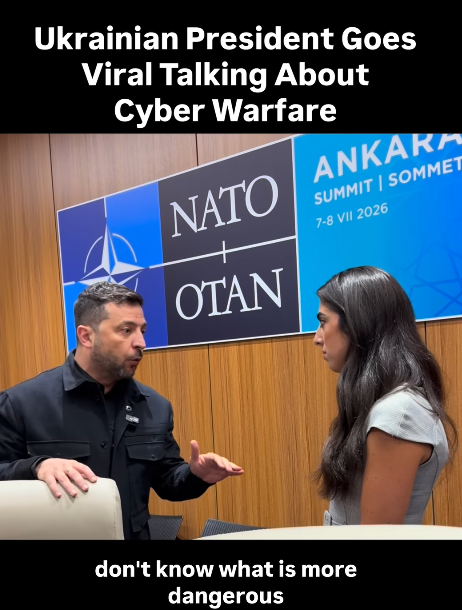
Watch it here
If Netflix made a documentary about surviving in a World where…

Big tech, health apps and data brokers have been quietly spying on you and building a secret profile
Let’s keep building together!
Stay protected,
Cybersecurity Girl
Know someone who’d enjoy this? Pass it along and have them sign-up here! And if you have thoughts or feedback, just hit reply, I’d love to hear from you.
Responses