Cyber news, tools & one smart career path.
5 min read

Quick Reality Check
A USA TODAY report found that scammers are using AI-generated images, fake reviews, bait-and-switch tactics, and off-platform payment requests to make vacation-rental listings look real.
What happened:
A family booked a San Diego vacation rental that looked legitimate online, with polished photos and positive reviews. But when they arrived, they found rusty nails, broken furniture, duct-taped stairs, and a “fourth bedroom” that was actually a shed.
This is how rental scams can work: scammers use AI or stolen images, misleading listings, fake identities, and questionable reviews to make unsafe or misrepresented properties look trustworthy.
Because booking sites rely on user-created content, a listing can look verified without proving that the property is accurate, safe, or even what the photos promise. It took the family a month of back-and-forth with Airbnb to get a full refund after the vacation was already over.
Why it matters:
AI is making vacation-rental scams easier to scale. One scammer can generate polished photos, fake reviews, and convincing messages for dozens of fake listings in an afternoon. That lowers the effort for scammers while increasing the trust signals victims see.
The danger is not just losing money. A fake or misleading listing can leave you stranded, put you in an unsafe property, and expose personal details like your name, travel dates, payment information, and who is traveling with you. That information can also help scammers make future scams feel more personal and believable.
Read more here
60-Second Protection Fix
Here's how to protect yourself before you book your next trip:
-
Reverse image search the photos. Scammers steal or AI-generate gorgeous listing photos. Screenshot them and run a reverse image search to see if those same pictures show up on other sites or for other properties. If they do, walk away.
-
Read reviews with a skeptical eye. Look for specific details, not just generic praise like "great stay." Check the dates, too. A flood of glowing reviews posted close together can be fake. If a listing has no reviews or only a handful, that's a warning sign
-
Never pay off-platform. If a host asks you to pay through Venmo, Zelle, wire transfer, or any method outside the official booking site, it's a scam. Legitimate platforms process payments through their own systems for a reason.
-
Verify the property actually exists. Plug the address into Google Maps and look at Street View. Check county property records if you want extra peace of mind. A real rental should match what you see online
-
Video chat the host or property manager. Ask for a live video walkthrough before you send money. Scammers will make excuses. A real host usually won't.
-
Trust your gut and slow down. If the price feels too good, the host is rushing you, or something just feels off, pause. Scammers thrive on urgency. Take a breath, verify, and don't let vacation excitement override your instincts.
Cybersecurity Awareness Month is right around the corner…
What cybersecurity topics, scams, privacy concerns, or online-safety questions do you want me to cover? I’ve been loving all of your ideas so far; keep them coming!
What You Missed This Week
IF YOUR SON IS SEXTORTED, DON'T PAY
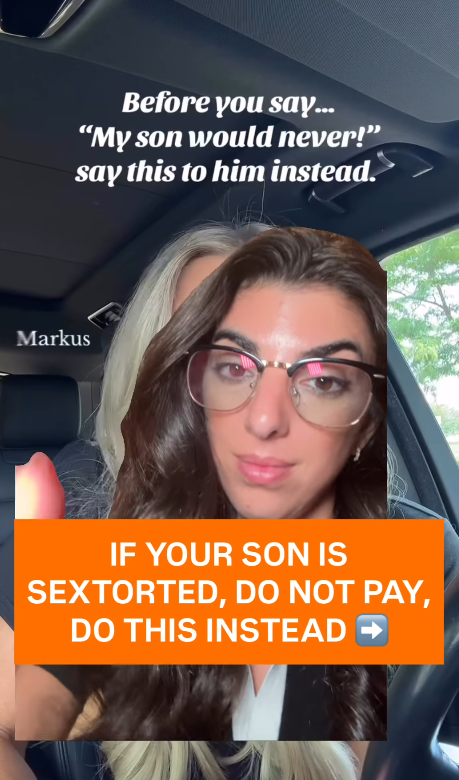
Here’s why
LinkedIn is using YOUR DATA to train its AI...

Here is how to turn it off ➡️
Google finally contacted me…
Here’s what they say!
Let’s keep building together!
Stay protected,
Cybersecurity Girl
Know someone who’d enjoy this? Pass it along and have them sign-up here! And if you have thoughts or feedback, just hit reply, I’d love to hear from you.


Responses